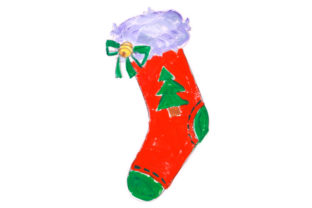
Christmas Stocking with Tree in Gouache Style
Evaluating the Painterly Aesthetic for Real Embroidery Projects
When I first opened the files for the Christmas Stocking with Tree in Gouache Style, I was immediately struck by the artistic departure from traditional holiday vectors. As a designer who regularly reviews assets for commercial embroidery and handmade product lines, I often see generic, flat illustrations. This design, however, captures the textured, opaque layering characteristic of actual gouache paint. For an embroidery designer or Etsy seller, this presents a unique opportunity and a specific set of technical challenges. The mood is nostalgic yet modern, moving away from shiny commercial Christmas aesthetics toward something that feels curated and artisanal. It suggests a finished product that belongs in a boutique rather than a big-box store.
The inclusion of SVG, Transparent PNG, EPS, and DXF formats indicates versatility, but as an embroiderer, my primary concern is how these digital assets translate into physical thread. A gouache style relies on color blending and edge variation, which differs significantly from standard satin stitch or fill stitch logic. Before committing this to a sweatshirt embroidery project or a custom tote bag, we must evaluate whether the visual complexity serves the medium or fights against it.
A Real-World Test: Stitching for a Holiday Capsule Collection
To properly evaluate this machine embroidery design, I approached it as if I were preparing a limited-run holiday capsule collection for a small shop product launch. My goal was to create a premium embroidered patch and a matching linen tea towel. The "gouache" aspect implies soft edges and layered colors, which means I couldn't simply rely on auto-digitizing. I had to consider how thread colors would interact to mimic that painted look.
For the tea towel, the design worked beautifully because the fabric texture complemented the artistic style. Linen has a natural weave that enhances the organic feel of a gouache illustration. However, when I moved to test the design for an embroidered patch intended for denim jackets, I had to be more critical. Patches require dense coverage and clean borders. If the original file relies heavily on transparency or watercolor-like fading, those details might get lost in the density required for a patch backing. In this real-life scenario, the Christmas Stocking with Tree in Gouache Style proved best suited for items where the fabric itself contributes to the aesthetic, like nursery decor or pillow covers, rather than high-density utility items.
Best Applications for Artistic Holiday Embroidery
Based on my review, this design excels in specific categories where customers value artistry over bold graphic simplicity. For creative entrepreneurs and apparel decorators, understanding where this design shines is key to maximizing product value and customer trust.
- Custom Apparel and Sweatshirts: The soft, painterly vibe pairs exceptionally well with heavyweight cotton fleece or French terry. The design feels like a vintage print when stitched on neutral tones like cream, sage, or dusty rose. Avoid neon threads; stick to matte or variegated threads to maintain the gouache illusion.
- Nursery Decor and Baby Embroidery: Because gouache styles are inherently softer and less aggressive than standard cartoon vectors, this is ideal for baby blankets and onesies. The visual weight is gentle, making it a strong candidate for personalized gifts that new parents will cherish.
- Tote Bag Design and Kitchen Textiles: Canvas tote bags and tea towels provide a stable, matte background that allows the stitch detail to pop. These items are staples for craft business owners during the holiday season, and this design elevates them above generic competitors.
- Digital Product Previews: The provided Transparent PNG is invaluable for creating printable mockups. For digital product sellers, showcasing this design on realistic fabric textures in your listing photos helps buyers visualize the final handmade product before they purchase the embroidery file.
Technical Cautions: Fabric, Density, and Hoop Size
While the aesthetic is stunning, practical application requires caution. Not every surface is friendly to a gouache-inspired machine embroidery design. As you plan your production, keep these limitations in mind to avoid wasted materials and frustration.
Fabric Texture and Stability
Gouache styles often involve subtle shading transitions. On highly textured fabrics like terry cloth or chunky knits, these nuances can disappear. The stitches may sink into the pile, turning a detailed painting into a muddy blob. Always use appropriate stabilizer; for lighter fabrics, a cut-away stabilizer is usually necessary to prevent puckering, especially if the design uses complex fill stitch areas to simulate brushstrokes. Conversely, on very thin or stretchy fabrics, the stitch density required to achieve opacity might cause distortion. Test on scrap fabric first to ensure the garment doesn't warp.
Color Contrast and Thread Selection
The success of this design hinges entirely on thread color contrast. Gouache is defined by its opacity and layering. If you use low-contrast thread colors against a similarly colored fabric, the design will vanish. Review your thread colors against both light and dark fabric backgrounds. You may need to adjust the digitized underlay or add a white base layer if stitching on dark garments to preserve the vibrancy of the "paint." This extra step is crucial for maintaining professionalism and brand consistency in commercial embroidery projects.
Detail Integrity at Small Sizes
Be wary of resizing this design down for small hoop sizes or tiny accents. Intricate gouache edges do not scale down as cleanly as simple line art. Tiny lettering or delicate branch details within the tree motif may become illegible or cause needle breaks if reduced too much. Inspect small details closely in your software before stitching. If you intend to use this for cap embroidery or sleeve cuffs, verify that the simplified version still retains the recognizable character of the original artwork.
Designer Notes for Commercial and Personal Use
Before listing any finished product derived from the Christmas Stocking with Tree in Gouache Style, run through this professional checklist. These steps separate hobbyist results from professional-grade merchandise.
- Verify Licensing Terms: Although you receive SVG, PNG, EPS, and DXF files, always confirm the specific license regarding commercial embroidery. Can you sell the physical embroidered item? Can you use the PNG for marketing? Clarifying this protects your Etsy shop or small business from legal issues.
- Test Stitch Density: Do not assume the file is optimized for your specific machine or fabric. Run a sew-out on the exact material you plan to sell. Check for gaps between satin stitch borders and fill areas, which can ruin the polished look of a personalized gift.
- Mockup Accuracy: When using the Transparent PNG for listings, ensure your mockup accurately represents the scale. Misleading size representations lead to returns and negative reviews. Show the design next to a ruler or hand for scale reference.
- Wash Testing: If selling baby embroidery or kitchen textiles, wash your test sample. Gouache-style shading often uses directional stitching that can snag or fray differently than standard fills. Ensure the finished product survives laundering so your customers remain satisfied long-term.
- File Format Utility: Utilize the DXF or EPS files if you need to modify the design for laser cutting appliqué templates or vinyl decals to match your embroidery. This cross-media potential adds significant value to your design assets and allows for cohesive branding across different product types.
Ultimately, the Christmas Stocking with Tree in Gouache Style is a sophisticated asset for makers who understand that embroidery is an interpretive art. It demands more attention to thread selection and fabric pairing than a standard cartoon design, but the payoff is a distinctive, high-value product that stands out in a saturated holiday market. By respecting the technical requirements of translating paint to thread, you can turn this beautiful digital art into tangible, profitable craftsmanship.