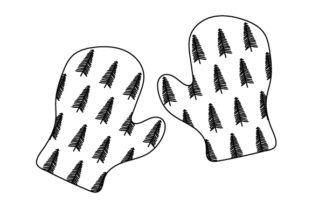
Christmas Mittens Line Art: An Embroidery Review
As a professional embroidery designer and product reviewer, I approach every new digital asset with a critical eye toward production viability. When evaluating the Christmas Mittens Line Art Style design, my primary focus is not just on its seasonal charm, but on how it translates from a screen to a tangible, stitched reality. For craft business owners, Etsy sellers, and apparel decorators, the difference between a pretty picture and a sellable product lies in stitch integrity and fabric compatibility. This review breaks down the practical application of this machine embroidery design for real-world holiday projects.
First Impressions and Design Aesthetics
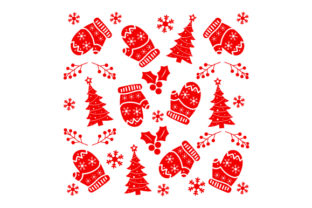
The immediate appeal of the Christmas Mittens Line Art Style is its minimalist elegance. Unlike dense, heavy fill stitch designs that can distort lightweight fabrics, this line art aesthetic suggests an open, airy composition. Visually, it evokes a sense of nostalgia and handmade warmth, making it particularly suitable for modern farmhouse decor or Scandinavian-inspired holiday merchandise. The clean lines imply that the digitizing relies heavily on running stitches or narrow satin stitches rather than complex tatami fills.
For a creative entrepreneur, this visual simplicity is a massive advantage. It allows the design to remain legible at smaller sizes without losing detail, which is crucial when scaling down for baby embroidery or sleeve cuffs. However, line art demands precision. There is no room for error in registration; if the needle penetrations are not perfectly aligned, the "art" looks messy. My first impression is that this design will excel on smooth, stable substrates but may require careful stabilizer selection on textured materials like linen or fleece.
Real-World Application: The Custom Tote Bag Test
To truly evaluate this embroidery file, I mentally applied it to a specific scenario: creating a batch of custom embroidered tote bags for a local holiday market. Tote bags are a staple small shop product because they offer a large canvas and high perceived value. For this project, I envisioned the mittens placed centrally, perhaps accompanied by a monogram or simple text below.
In this context, the Christmas Mittens Line Art Style performs exceptionally well because it does not add excessive weight to the bag. Heavy designs can cause canvas totes to pucker or sag, but a line art motif maintains the fabric's natural drape. From a customer perspective, this style signals "boutique" rather than "mass-produced." Shoppers looking for personalized gifts often gravitate toward understated graphics that feel artistic. If you are an Etsy seller listing this finished product, the line art style photographs beautifully in printable mockups and lifestyle shots, as the negative space prevents the image from looking cluttered on social media feeds.
Performance Across Different Substrates
Versatility is key for any commercial embroidery asset. Based on the line art construction, here is how I anticipate this design performing across various categories:
- Sweatshirt Embroidery: This is likely the strongest use case. The design should sit flat on cotton-blend fleece without causing tunneling. Because sweatshirts are popular holiday gifts, the non-intrusive nature of line art makes it wearable for adults who prefer subtle festive gear over loud novelty prints.
- Baby Clothes and Onesies: Safety and comfort are paramount. Dense patches can irritate sensitive skin. The Christmas Mittens Line Art Style, assuming a low stitch density, is ideal for infant wear. It provides the holiday theme without creating a stiff, scratchy backing against the baby’s chest.
- Kitchen Towels and Tea Towels: These items undergo frequent washing. Line art generally holds up well to laundering because there are fewer thread crossings to snag. However, ensure the stitch length is sufficient to anchor securely into terry cloth or waffle weave textures.
- Embroidered Patches: If you intend to turn this into a patch, verify the border definition. Line art can sometimes lack the structural density needed for a merrowed edge. You may need to add a backing fill or adjust the digitizing specifically for patch production.
Navigating Fabric Challenges and Limitations
While versatile, this design type requires caution. As an experienced reviewer, I must highlight where the Christmas Mittens Line Art Style might struggle. Highly textured fabrics, such as chunky knits or faux fur, are risky. Thin running stitches can get lost in the pile, making the mittens look broken or incomplete. Similarly, stretchy performance fabrics pose a challenge; unless you use a high-quality cut-away stabilizer and potentially a topping, the linear stitches may pull and distort the garment shape.
Dark fabrics also demand attention. If the design was digitized with standard black thread in mind, stitching it on navy or charcoal fabric will result in zero contrast. Always test thread colors against your specific blank. Conversely, on white fabric, ensure the underlay is adequate to prevent the fabric grain from showing through the stitches. For caps and curved surfaces, line art can be unforgiving. The curvature of a hat frame can cause straight lines to appear bowed. I recommend testing this design on a flat brim or structured cap before committing to unstructured beanies.
Technical Considerations for Makers
Before loading this digital embroidery file into your machine, several technical checks are necessary to ensure professional results. Since the provided formats include SVG, Transparent PNG, EPS, and DXF, you have excellent flexibility for both cutting machines and embroidery software. However, always confirm the specific embroidery format (like PES, DST, or JEF) compatible with your machine, as vector files often require conversion or re-digitizing for stitch generation.
Stitch Density and Stabilizer: Even though it is line art, check the stitch density settings. If the lines are too dense, they will perforate delicate fabrics like batiste or voile. If they are too sparse, they won't cover the fabric adequately. Match your stabilizer to the fabric weight: tear-away for stable woven cottons, and cut-away for knits and stretch materials.
Hoop Size Verification: Never assume a design fits your hoop based on a thumbnail. Measure the actual dimensions in your software. Using the smallest possible hoop size for the Christmas Mittens Line Art Style ensures better tension and reduces shifting. If resizing is necessary, do so within embroidery software to recalculate stitch counts properly, rather than stretching the file at the machine level.
Commercial Use and Business Value
For those running a craft business or selling on platforms like Etsy, this design offers significant commercial potential. Its gender-neutral and ageless appeal broadens your target demographic. It works equally well for nursery decor, wedding party gifts, and corporate holiday swag. The line art style aligns with current design trends that favor sustainability and minimalism, which can justify a higher price point for handmade products.
However, professionalism dictates due diligence. Before selling finished items or using the design in commercial branding, strictly review the licensing terms associated with your purchase. Confirm whether the license covers physical product sales, digital redistribution, or print-on-demand usage. Protecting your business means respecting intellectual property. Additionally, create your own unique color palettes. While the file provides the structure, your choice of thread colors distinguishes your brand from other sellers using the same base assets.
Final Verdict for Production
The Christmas Mittens Line Art Style is a robust addition to any holiday embroidery library, provided it is treated with technical respect. It shines in applications where fabric drape and wearer comfort are priorities, such as custom apparel and baby gifts. Its success depends entirely on proper stabilization, appropriate substrate selection, and mindful color contrast. For the maker willing to run a test stitch-out on scrap fabric first, this design promises a high return on investment in both aesthetic quality and customer satisfaction. It bridges the gap between traditional holiday crafting and modern, boutique-style merchandising effectively.